Brownfield land is classified as land that has previously been developed and in most cases is located in urban areas. These sites can have a range of current and former uses from factories and warehouses to offices and commercial premises. Given their location in urban areas their redevelopment is often seen as a sustainable way to address our country’s housing shortages.
Many local authorities keep a brownfield development land register which sets out various criteria for sites to qualify as brownfield land. These criteria often relate to availability, suitability and deliverability, as well as potential capacity.
The current government has stated that they have a ‘brownfield first’ approach to the delivery of new housing, as it is reusing underused or redundant land. The rationale behind this approach seeks to direct development towards these areas as opposed to rural areas which may contribute to urban sprawl or have a negative impact on landscape sensitive areas.
Unlocking brownfield sites 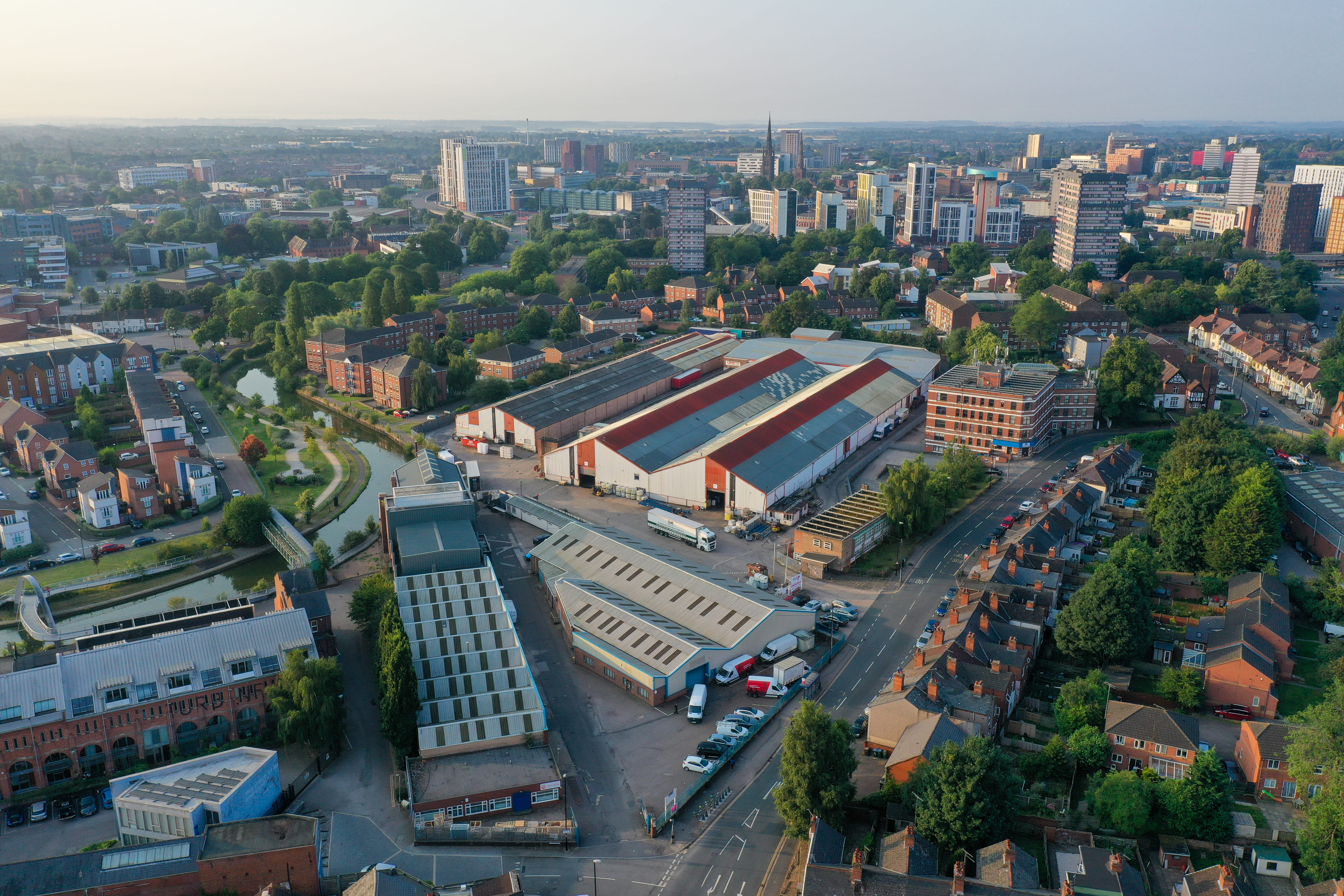
Getting the most out of brownfield sites requires an adept strategy, a full awareness of a site’s constraints, and the capability to balance the needs of various stakeholder groups. When dealing with such complex, quickly-evolving projects, success hinges upon engaging early with communities and local authorities, being up-to-speed on the Local Plan’s position and keeping a close eye on how a scheme will be financially viable.
Regeneration strategies
While developing brownfield land has financial benefits, well-considered regeneration can reconnect forgotten sites with their surrounding communities, creating growth that is also socially beneficial.
As an example of regeneration in action, Newton facilitated the sale of the former Daimler car factory in Coventry.
Planning consent has been granted for up to 250 units on the site. The development will sit alongside the recently refurbished Powerhouse, which now operates as a community facility hosting local groups and events. The scheme will also deliver the ‘Powerhouse Plaza’, providing an outdoor space that further enhances the cultural offer and reinforces the site’s placemaking.
Alongside new homes, brownfield redevelopment can deliver complementary employment space supporting the placemaking strategy and bringing day-to-day activity back into neglected or underused areas.
Developing these sites can also lead to major environmental improvements. Often, given the nature of their previous use, brownfield development sites can have contamination issues. Therefore part of the strategy for regeneration of these sites is the remediation and the creation of green public open spaces for future users to enjoy.
Smart planning
Brownfield sites are often near or at the end of their functional use before redevelopment, and it can take real imagination to see their potential.
Therefore assembling the right project team at an early stage is crucial, and Newton LDP are well versed in this process.
Our starting point is a high-level assessment of the site, looking at the planning history and local policies and reviewing all the potential constraints before any detailed and costly assessments are undertaken. This enables informed decisions to be made at an early stage and a redevelopment roadmap to be planned.
Redevelopment of brownfield sites is often a complex process, therefore identifying potential pitfalls and opportunities at an early stage is crucial to the site’s overall success.
Stakeholder engagement
Early and productive engagement with key stakeholders is vital to the success of a brownfield land redevelopment project.
This can take the form of in-person liaison with local authorities, communities, and statutory consultees as well as collateral either in a physical or online format.
In many cases, communities have an affinity with brownfield sites, as they may have had some involvement with them in the past and therefore often want a say in how the futures of these sites are shaped.
Meaningful progress relies upon skill, sensitivity and the ability to articulate a plan well, allowing open-minded exchanges and potentially reaching compromises. Having conversations with stakeholders in good faith builds the trust that is needed to create a positive consensus, which then allows them to be a part of the development’s evolution.
Early stakeholder engagement can also reduce risk by bringing practical requirements to the surface early – which might include highways and access, drainage and local ecology and design expectations – so these considerations can be integrated into the emerging proposals rather than bolted on at a later stage.
By building strong connections early, a scheme can be shaped around shared priorities, create a clear record of consultation, and strengthen the planning case by showing that concerns have been listened to and addressed.
Why regenerating brownfield sites matter 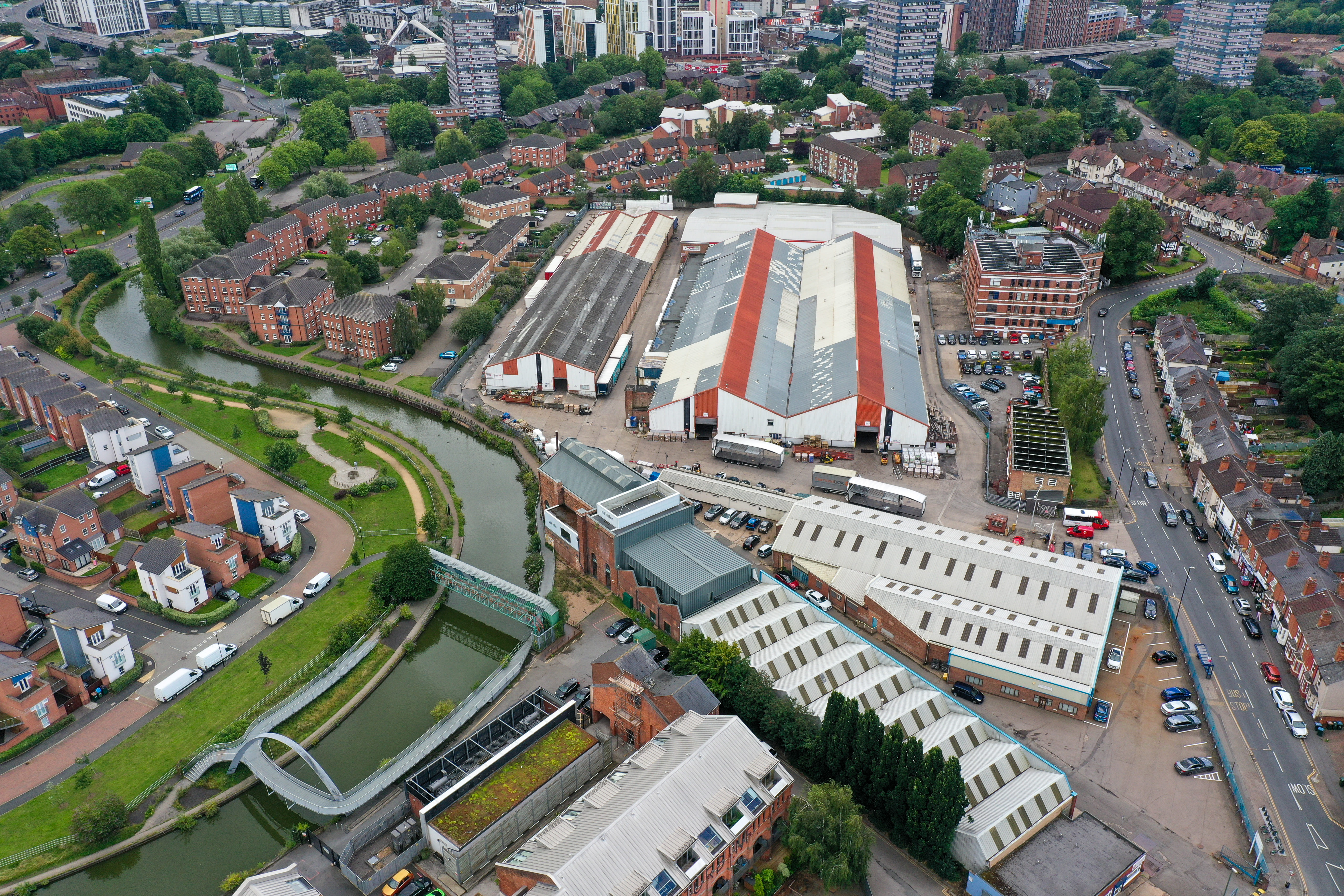
Thoughtful redevelopment can support local communities by bringing disused sites back into productive use, improving the quality of the built environment and creating active, harmonious neighbourhoods.
When previously developed land is successfully transformed, it can send a signal of confidence that often encourages subsequent redevelopment and longer-term economic activity. New residential, commercial and mixed-use spaces, as well as improvements to infrastructure, can help to create the desirable conditions which allow businesses and communities to prosper.
When handled correctly, brownfield land development can be a win-win scenario; it can be a credible investment opportunity and the catalyst for lasting social and economic regeneration.
Our brownfield land development experts
Our brownfield land development team is led by experienced professionals dedicated to delivering the best development consulting services to all clients. The team are all members of the Royal Institution of Chartered Surveyors (RICS), the key contacts for this service are:
Richard Foxon

Richard, co-founder and managing director of Newton, is a land development expert and has played a crucial role in many high-profile development schemes across the UK.
Piers Beeton

Piers, co-founder and director of development, has been involved in providing expert development consultancy and brownfield land advice to a wide range of clients across the country.
George Fox

As a director and chartered surveyor, George speacilises in planning and development, having advised on many significant development projects.
To find out more, contact our brownfield land development experts today
Brownfield land development needs clear thinking from the beginning: the ability to strategise, bring stakeholders together and constantly drive the project forward.
At Newton we offer our expertise through a range of development consultancy services. Our experience and up-to-date industry knowledge keeps us one step ahead, giving your project the assurance it needs at every stage.
Get in touch with us today – we would love to hear from you.